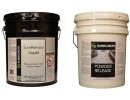
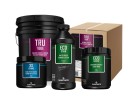
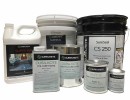

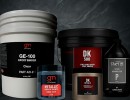

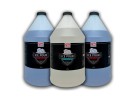
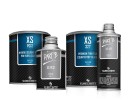
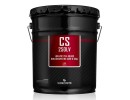
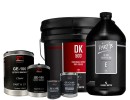
Concrete Additives and Materials
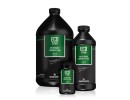
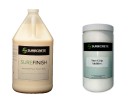
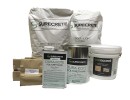
Welcome to GlobMarble's professional selection of Concrete Additives and Materials. Achieve commercial-grade results with our high-performance water reducers and superplasticizers. To increase tensile strength, integrate our concrete fiber additives, like the alkali-resistant concrete fiberglass additive or basalt cement fibers. These modifiers instantly transform standard mixes into ultra-durable fiber reinforced concrete, eliminating micro-cracking and decreasing set times. Browse our top-rated materials below to upgrade your workflow and ensure product longevity.



The Science Behind High-Performance Concrete Additives
To create a truly durable product, you must control the mix at a molecular level. GlobMarble provides the essential materials needed to optimize workability, accelerate curing, and prevent structural failure.
Superplasticizers & Water Reducers
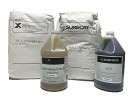
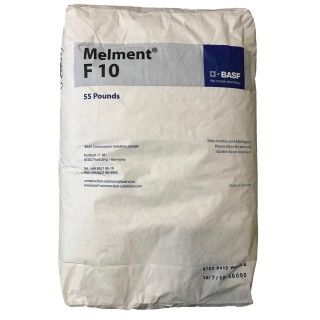
The most common reason concrete cracks or loses strength is an improper water-to-cement ratio. By using a superplasticizer like Melflux or Melment F10, you can dramatically increase the flowability of your mix without adding excess water. This results in a denser, harder, and more structurally sound finish.
The Power of Concrete Fiber Additives
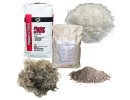
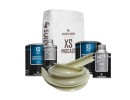
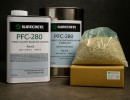
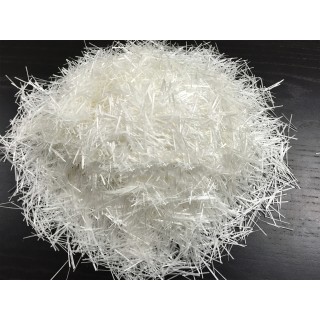
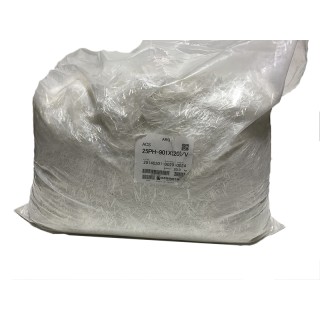
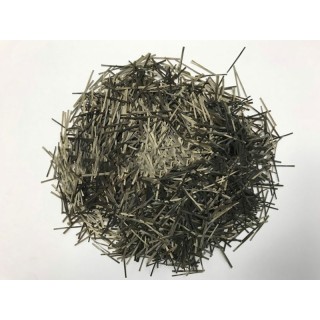
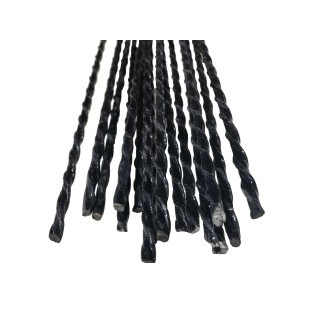
Concrete naturally has high compressive strength but lacks tensile strength (the ability to bend without breaking). This is where concrete fiber additives come in. Adding our alkali-resistant concrete fiberglass additive (PH901X) or basalt cement fibers creates an internal structural matrix, transforming a basic mix into industrial-grade fiber reinforced concrete. These advanced fiber concrete solutions act as microscopic rebar, stopping shrinkage cracks before they start and providing exceptional impact resistance.
Frequently Asked Questions (FAQ) About Concrete Additives
Q: Can I use both a superplasticizer and a concrete fiberglass additive in the same mix?
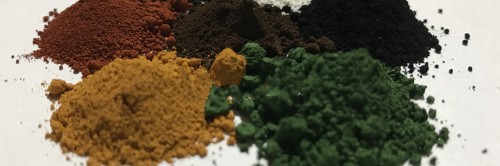
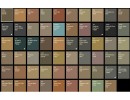
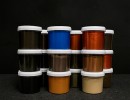
A: Yes! In fact, we highly recommend it. The fibers add tensile strength, while the superplasticizer ensures the mix remains workable and easy to pour despite the added volume of the fibers. Pro tip: Ensure your mix is perfectly tinted by pairing your additives with our integral concrete colors.
Q: What is the difference between glass and basalt cement fibers?
A: Alkali-Resistant (AR) glass fibers are excellent for general GFRC (Glass Fiber Reinforced Concrete) applications and casting with our concrete countertop molds, offering high flexibility and an invisible finish. Basalt fibers are highly resistant to extreme temperatures and chemicals, making them perfect for heavy-duty polymer concrete and industrial applications.
Q: How does CSA Cement Additive work?
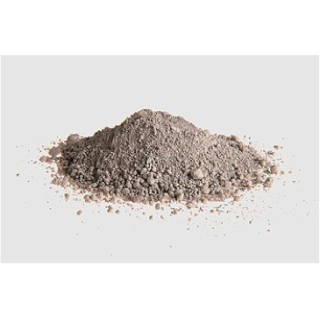
A: Calcium Sulfoaluminate (CSA) is a fast-setting additive. It accelerates the curing process, allowing you to demold your projects much faster from our polyurethane concrete stamps without sacrificing the final PSI (strength) of your concrete.
Stay Informed with Our Expert Tips