








- Stock: In Stock
- Model: SL 1005
- Free Shipping: Eligible

Made in USA
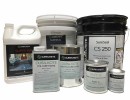
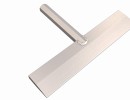
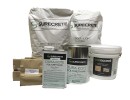
You may also need for your step liners
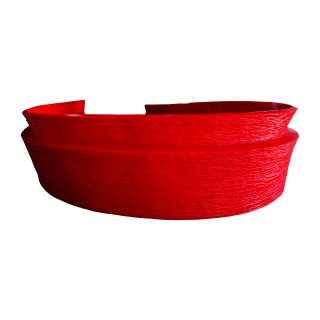
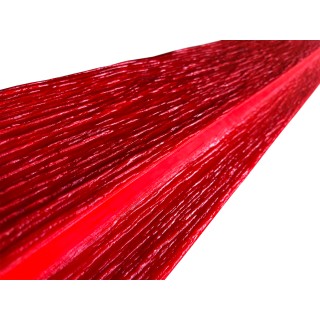
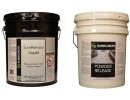
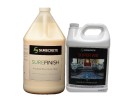
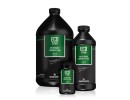
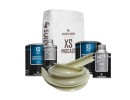
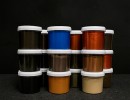
Dual-Purpose Color & Release
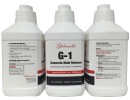
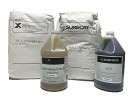
Clear Release Solution
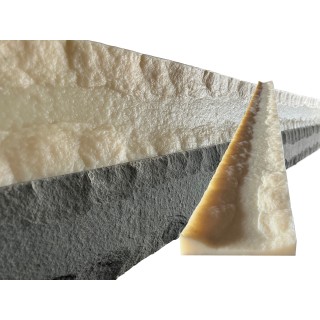
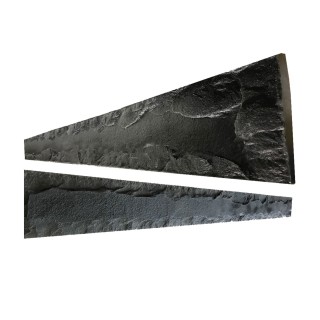
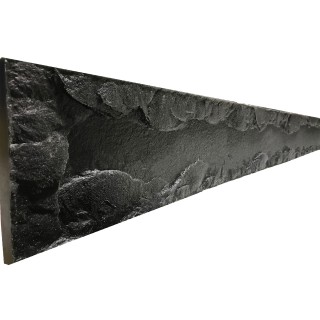
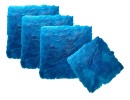
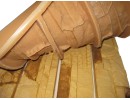
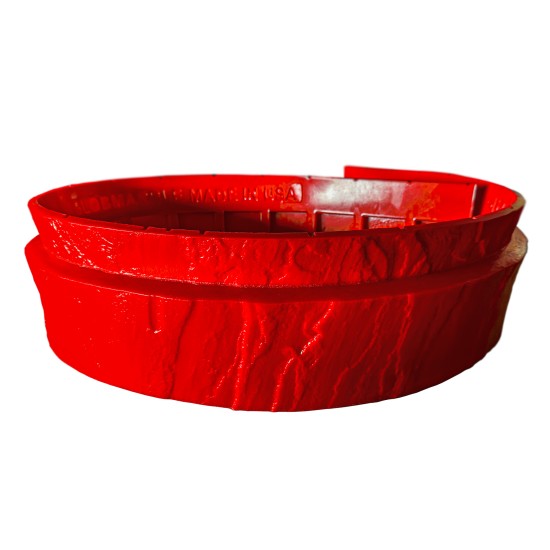
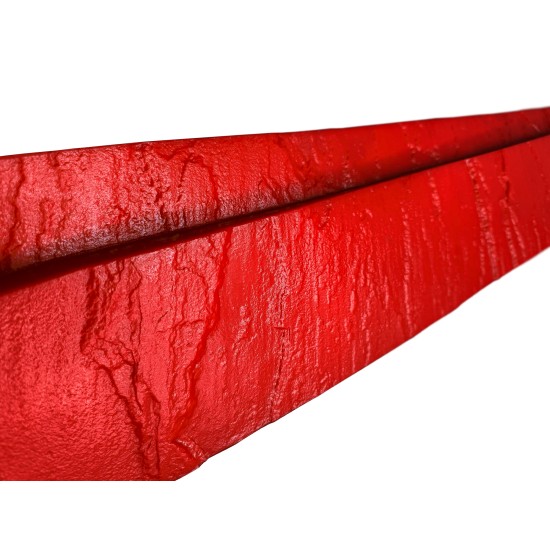
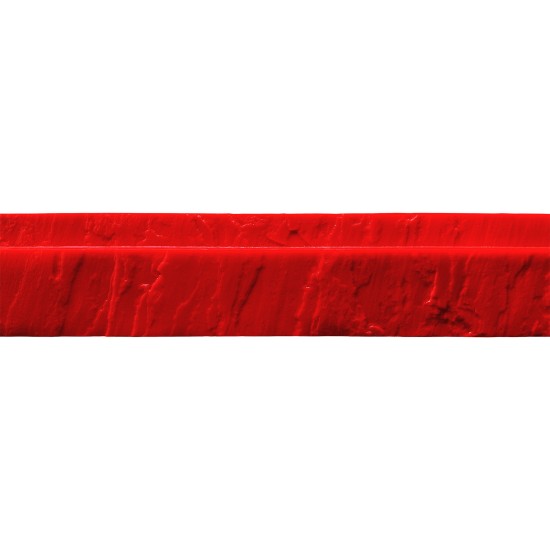
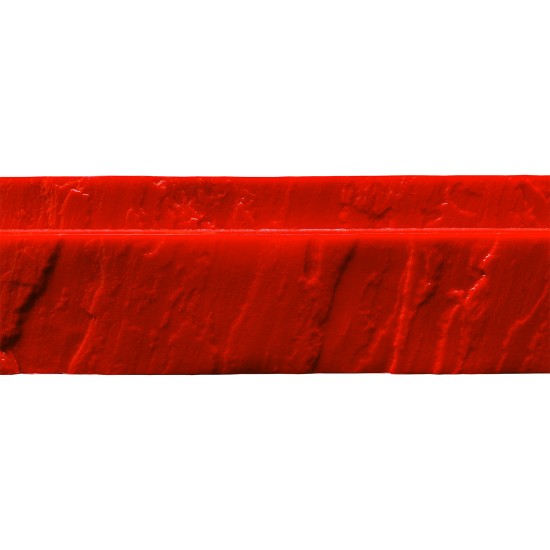
The Split Face Bluestone Concrete Step Liner – SL 1005 is a contractor-grade form liner designed to create realistic stone-textured stair risers in poured and stamped concrete. Made from durable, flexible polyurethane, this concrete step liner delivers sharp, detailed impressions while allowing easy installation on both straight and curved stair forms. The split face bluestone texture adds depth and natural variation, making it ideal for decorative concrete stairs, porches, and pool decks.
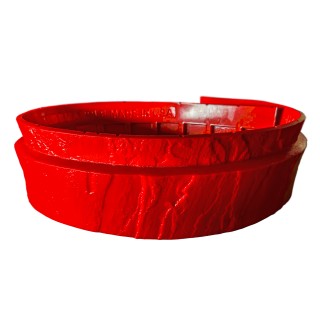
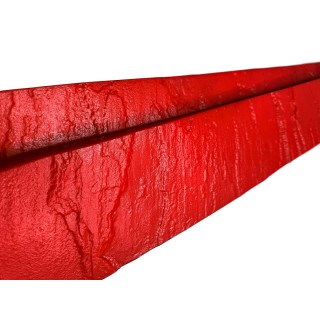
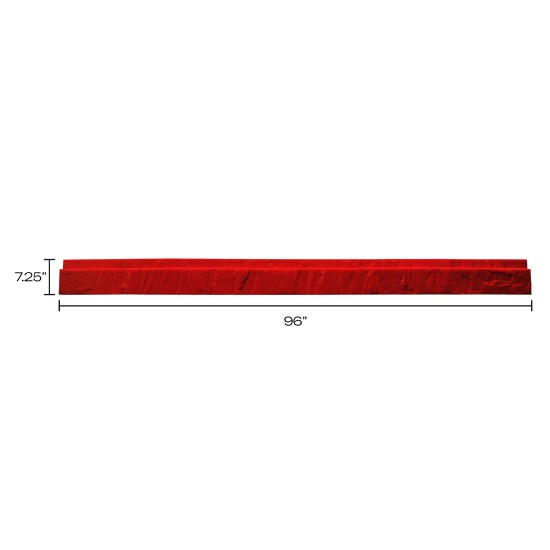
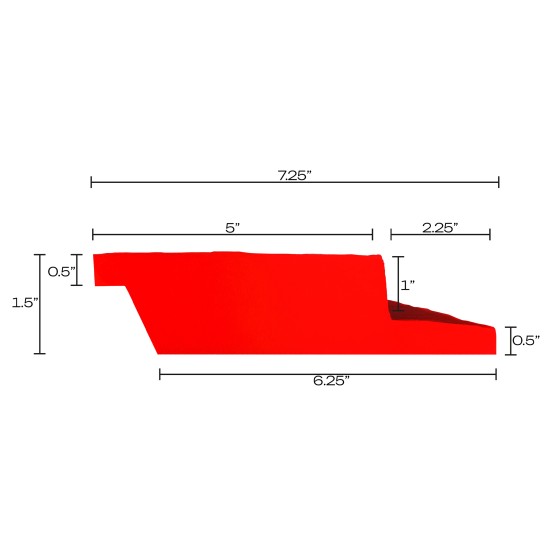
With a 7.25" height and 8 ft length, this liner is sized to fit standard 2 × 8 stair forms. The integrated cantilever edge is designed to create clearance for finishing underneath the riser while also preventing the concrete from locking under the bottom of the tread. The noser is also angled separately to prevent the liner from catching or locking at the front nose profile. Together, these two release angles allow the liner to be removed cleanly during the stamping process while the concrete is still green, helping reduce the risk of cracking at the stair edge. Built for repeated use, this reusable polyurethane step liner provides consistent, professional results on every pour.
Features & Specifications
Product Details
- Model: SL 1005
- Texture: Split face bluestone
- Material: Flexible polyurethane
- Length: 8 ft (96 inches)
- Height: 7.25 inches
- Thickness: 1.5 inches
Form Compatibility
- Standard Fit: Designed for use with standard 2 × 8 stair forms
- Form Setup: Works with 2 × 8 side forms and 2 × 6 riser boards
- Layout Flexibility: Suitable for straight or curved stair applications
Release & Removal Design
- Cantilever Edge: Creates clearance for finishing underneath the riser and prevents concrete from locking under the bottom of the tread
- Angled Noser: Separate release angle helps prevent locking or catching at the front nose profile
- Same-Day Removal: Dual-angle design allows clean removal during the stamping process while the concrete is still green
Jobsite Benefits
- Reusable: Built for repeated pours without losing texture detail
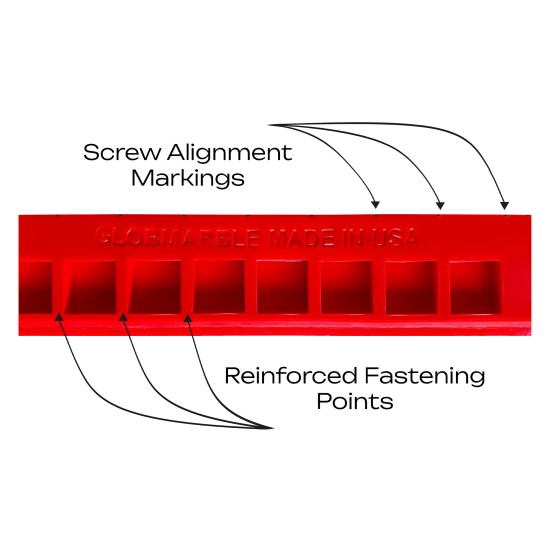
- Fastening Design: Reinforced fastening points allow secure screw attachment to form boards
- Custom Fitting: Can be cut or mitered for custom layouts and corner conditions
Why this is better
- Easier for contractors to scan
- Looks more organized on the page
- Separates specs from benefits without needing a table
- Feels more professional
How to Use
- Construct the stair forms correctly. Use 2 × 8 boards for the side forms (final step height) and 2×6 boards for the riser face. This creates a gap below the liner that exposes the cantilever edge, allowing proper finishing underneath and preventing trapped concrete.
-
Position and fasten the liner. Place the step liner against the riser form and align it flush. Secure it using screws driven into the reinforced fastening points on the back of the liner.
- Recommended spacing: every 6–12 inches
- Use #10 or #12 screws
- Do not overtighten, as this can deform or damage the liner
- Apply form release thoroughly. Apply a concrete form release (such as G-FR) to the liner surface before pouring. Work the release into all texture details to ensure clean separation and full texture transfer.
- Place and properly vibrate the concrete. Pour the concrete into the forms and use a pencil vibrator along the liner face to eliminate trapped air. Proper vibration is critical to avoid bug holes and ensure the texture fully captures.
- Finish the stair edge and tread transition. The cantilever edge creates clearance underneath the liner, allowing the trowel to pass cleanly under the riser. This prevents buildup at the edge and helps form a sharp, professional transition between tread and riser.
-
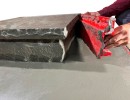
Remove the liner at the correct time. The liner can be removed during the stamping process while the concrete is still green.
- The cantilever edge prevents locking under the bottom of the tread
- The angled noser prevents locking at the front nose profile
These two independent release angles allow the liner to be removed cleanly without catching, reducing the risk of chipping or cracking at the stair edge.
-
Continue stamping and finishing. After removing the liner, continue stamping from the top step downward. Removing liners as you go allows you to stamp tightly against the riser and maintain clean, continuous patterns.
Frequently Asked Questions
Q: What is the best concrete step liner for stamped concrete stairs?
A: The best step liner is one that prevents locking and allows clean removal during stamping. GlobMarble step liners use a dual-angle design with a cantilever edge and angled noser, allowing same-day removal and reducing the risk of edge damage while maintaining sharp detail.
Q: What size concrete step liner fits a standard 2 x 8 stair form?
A: A standard 2x8 stair form has an actual height of 7.25 inches, so step liners like the GlobMarble SL 1005 are manufactured at 7.25" to fit flush without modification.
Q: How do you install a concrete step liner in stair formwork?
A: The liner is installed inside the riser form, aligned flush with the top edge, and secured to the form board before pouring to create the finished vertical face of the step.
Q: How do you fasten a concrete step liner to wood forms?
A: Use screws driven through the reinforced fastening points on the liner, typically spaced 6–12 inches apart. #10 or #12 screws are commonly used for secure attachment without distorting the liner.
Q: Do you need a release agent with a polyurethane concrete step liner?
A: Yes. A release agent such as GlobMarble G-FR form release helps prevent sticking, ensures clean removal, and preserves the liner’s texture detail.
Q: When should you remove a concrete step liner after pouring?
A: Most step liners are removed the next day after pouring. However, GlobMarble step liners can be removed the same day during the stamping process because the cantilever edge prevents locking under the bottom of the tread, and the angled noser prevents locking at the front nose profile, allowing clean release while the concrete is still green.
Q: How do you remove a concrete step liner without damaging the edge?
A: First remove the screws and wood formwork holding the liner in place, then carefully pull the liner straight out from the concrete. GlobMarble step liners are designed with a cantilevered lip and angled nose profile so they release cleanly without catching on the edge, which helps prevent chipping or damage during removal.
Q: How do you prevent concrete from sticking or locking into the liner?
A: Use a release agent like GlobMarble G-FR and ensure the liner design includes proper release angles to eliminate mechanical locking points.
Q: Can you use a concrete step liner with stamped concrete projects?
A: Yes. Step liners are designed to complement stamped concrete surfaces, adding vertical detail that matches the slab texture.
Q: How do you match a step liner texture to a stamped concrete pattern?
A: Select a liner texture that complements your stamp pattern. For example, a split face bluestone liner pairs well with slate or other GlobMarble bluestone stamps.
Q: Can a concrete step liner be used on curved or radius stairs?
A: Yes. Flexible polyurethane liners like those from GlobMarble can be used on curved or radius stair layouts depending on the radius.
Q: What type of release agent works best for concrete step liners?
A: A liquid form release like GlobMarble G-FR provides even coverage and penetrates texture details better than powder, resulting in cleaner impressions and easier removal.
Q: Can a concrete step liner be stripped the same day as the pour?
A: Only if the liner is designed for early release. GlobMarble step liners are shaped so the concrete does not catch under the cantilever or lock around the noser, which allows the liner to be stripped during stamping instead of waiting until the next day.
Q: Why is an 8-inch concrete step liner actually 7.25 inches tall?
A: Lumber dimensions are nominal. A “2x8” board is actually 7.25" tall, so concrete step liners are sized to match the true dimension for proper fit and clean alignment.
Q: Are polyurethane concrete step liners flexible enough for radius work?
A: High-quality polyurethane liners provide enough flexibility for curved applications while maintaining sharp texture detail.
Q: What screws should be used to fasten a concrete step liner?
A: #10 or #12 screws are recommended, spaced every 6–12 inches through the reinforced fastening points to securely hold the liner without deformation.
Q: Can you cut or miter a concrete step liner for corners?
A: Yes. Step liners can be cut or mitered using standard tools to fit corners, angles, or custom stair layouts.
Q: How do you join multiple concrete step liners for long runs?
A: Liners are butted together and aligned carefully to maintain pattern continuity across the seam.
Q: How do you hide seams between concrete step liners?
A: Align the liners tightly when fastening them and match the texture pattern at the joint. Clay or caulk can be used to fill the seam before pouring to prevent gaps and reduce visibility. Proper vibration helps the concrete fully fill the area, and if needed, the seam can be lightly post-processed after demolding to blend the transition.
Q: What is the difference between a cantilever step liner and a standard liner?
A: A cantilever liner forms both the riser face and the underside of the tread, while a standard liner only forms the vertical face.
Q: How do you get a clean tread finish with a cantilever step liner?
A: The cantilever edge creates clearance under the liner, allowing the concrete to form a clean underside without additional finishing.
Q: Are concrete step liners reusable for multiple pours?
A: Yes. GlobMarble polyurethane liners are designed for repeated use when properly handled and cleaned.
Q: How many times can a polyurethane step liner be reused on job sites?
A: With proper care, polyurethane step liners can be reused across many pours while maintaining consistent detail. GlobMarble liners are rated for hundreds of castings when cared for properly.
Q: How do you clean and store a concrete step liner between uses?
A: Clean with water after use, remove residue, and store flat away from sunlight to maintain flexibility and texture quality.
Q: Can a concrete step liner be used for porches, pool steps, and slab edges?
A: Yes. Step liners are commonly used for stairs, porches, pool decks, and other decorative concrete edge applications.
Q: What concrete mix or slump works best with step liners for sharp detail?
A: Concrete step liners are typically used with stamped concrete mixes designed to hold detail while remaining workable. A standard stamped mix with 3"–4" slump, 3,000–4,000 PSI strength, and 3/8"–1/2" aggregate is commonly specified. The mix should not be overly wet, as excess water can reduce texture sharpness. Proper vibration along the liner face with a pencil vibrator is critical to eliminate trapped air and ensure the concrete fully fills the texture for a clean, detailed finish.
Shipping:
Processing time: 1–2 business days.
Carriers: UPS & FedEx.
Worldwide shipping from Brooklyn, NY.
Returns:
30-day return policy for unused items.
Money-back guarantee if the product is defective.
Customer pays for return shipping unless the item is damaged.
Reviews
Please leave a review
Write Review